
Dental Articles - Waterdown
Dental Anxiety: What Actually Helps
Posted by Panacea Dental on Sat, 08 Aug 2026
Dental anxiety is common and treatable. What causes it, which coping strategies genuinely work, and the sedation options available in Waterdown.
Dental Anxiety and What Actually Helps
Somewhere between a third and a half of adults report some anxiety about dental treatment, and a smaller group avoid the dentist entirely because of it. If that is you, the first thing worth saying is that this is ordinary. Practices see it every week. It is not something you need to apologise for or explain away.
The second thing worth saying is that avoidance makes it worse, and not only dentally. Problems that would have needed a filling become problems that need a root canal or an extraction, which means longer appointments and more invasive treatment, which confirms the fear. Breaking that loop early is easier than breaking it late.
Where the fear usually comes from
Loss of control. Lying back with your mouth open while someone works, unable to speak or see what is happening, is a genuinely vulnerable position. For many people this matters more than pain.
A specific bad experience. Often years earlier, sometimes in childhood, frequently involving being told to tolerate something that hurt.
Embarrassment. A very common reason for avoidance, and almost always misplaced. Nobody in a dental practice is surprised or judgmental about the state of someone who has not attended for years.
Needles, sounds and gagging. Specific triggers rather than general fear, and often the easiest to work around once named.
What genuinely helps
Say it out loud when you book. This is the single most useful thing you can do, and it changes the appointment. Knowing in advance lets us schedule more time, explain before acting rather than during, and avoid the rushed feeling that makes anxiety worse.
Agree a stop signal. Raising your left hand means stop, and it is honoured immediately, not at a convenient pause. Knowing you can end the procedure at any moment restores the control that lying back removes, and most people who agree a signal never need to use it.
Start with something small. A first appointment does not have to involve treatment. An examination, or simply a conversation in the chair with nothing happening, is a legitimate way to begin.
Morning appointments. Anxiety compounds across a day spent anticipating. An early slot gives it less time to build.
Bring headphones. The high pitched sound of the handpiece is a trigger for a lot of people, and it is one of the easiest to remove.
When coping strategies are not enough
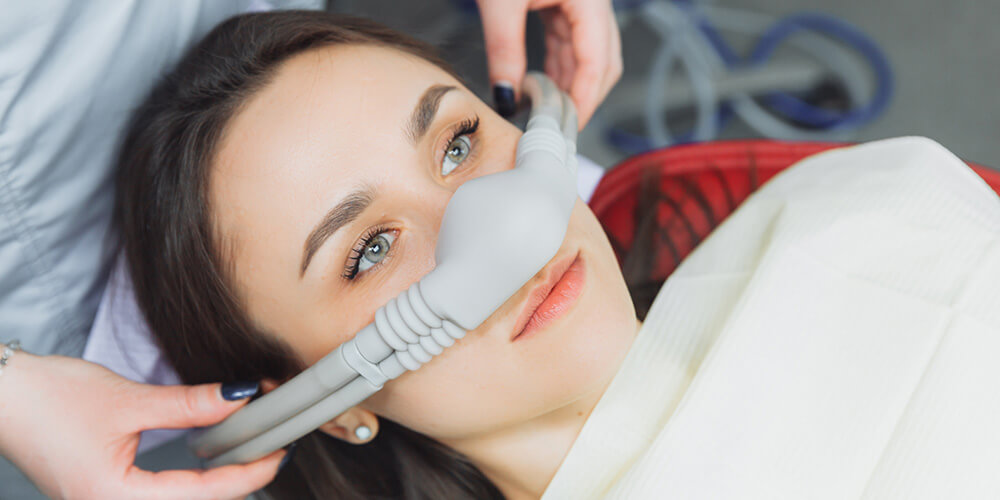
For some people the anxiety is severe enough that no amount of communication makes treatment tolerable. That is what dental sedation exists for, and needing it is not a failure of willpower.
Sedation is not the same as being unconscious. In the forms used in general dental practice you remain awake and able to respond, but relaxed, and with a reduced sense of time passing. Many people remember very little of the appointment afterwards, which for someone with a history of traumatic dental visits is the point. Anyone considering it needs a medical history review first, because sedation interacts with some conditions and medications.
A note on the phrase pain-free dentistry
Modern local anaesthetic is very effective, and most routine treatment genuinely should not hurt. What honest practices will not promise is that you will feel nothing ever, because pressure and vibration are still sensations even when pain is fully blocked. Being told what you will feel, rather than being promised you will feel nothing, tends to reduce anxiety more than reassurance does.
If it has been years, that is the most common reason people come back to us. Nobody will comment on the gap.
Panacea Dental is at 105 Clappison Ave #103 in Waterdown, open Monday to Friday from 10:00 am to 7:00 pm and Saturday from 10:00 am to 3:00 pm. We are accepting new patients. Call 289-408-5100 or book online.